Plasma Cutting
Can Metalurji supports its carbon steel flat product supply with plasma cutting services, offering its customers steel solutions tailored to project specifications. This cutting method, performed via a high-temperature plasma arc, is widely preferred across many industries from machinery manufacturing to steel construction, thanks to its advantages of precise dimensioning, fast production, and cutting capabilities for different geometries.
Providing high efficiency especially in processing thin and medium-thickness carbon steels, plasma cutting is one of the modern cutting technologies supporting production processes with its smooth cut surfaces and short processing times.
What is Plasma Cutting?
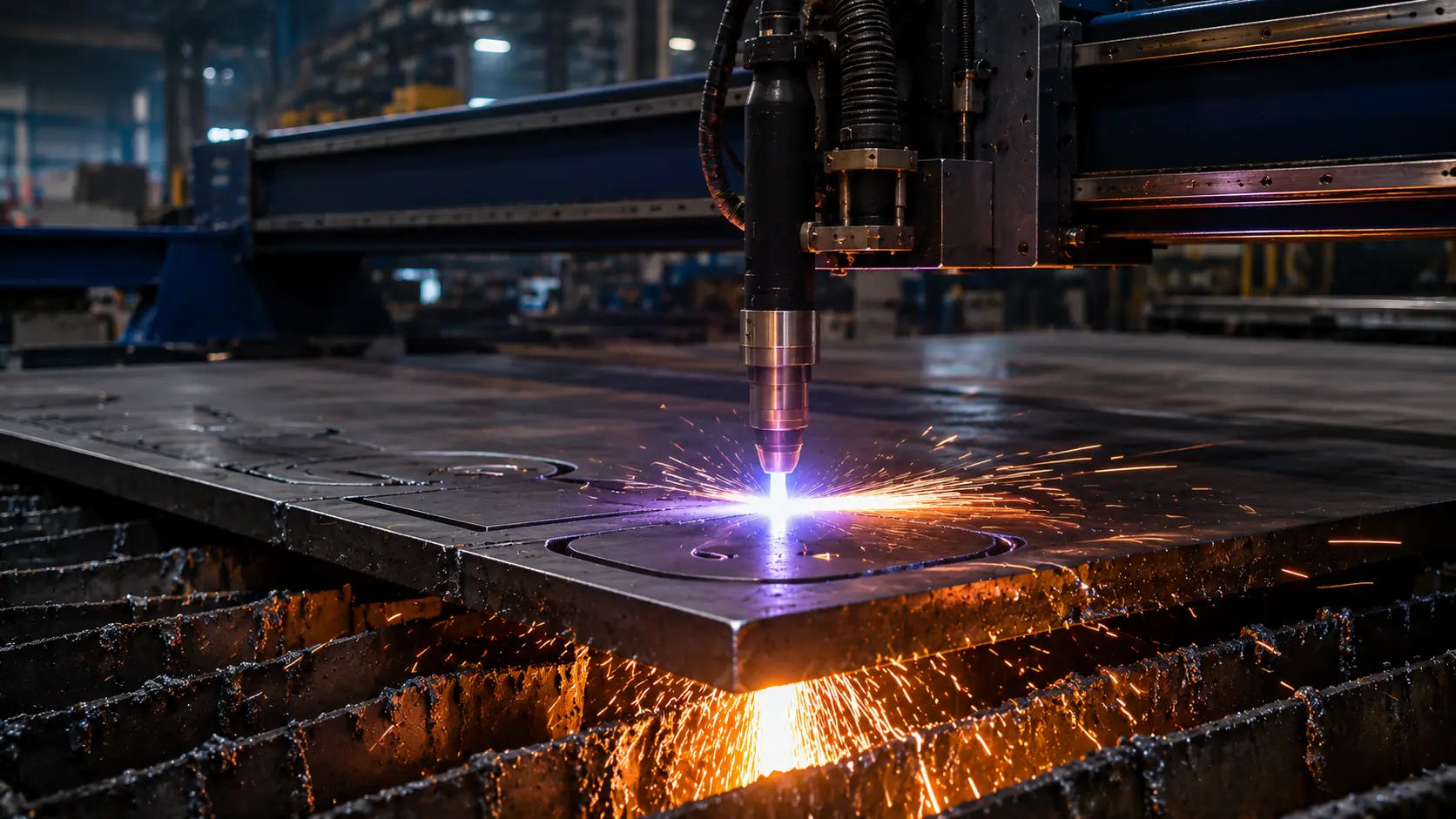
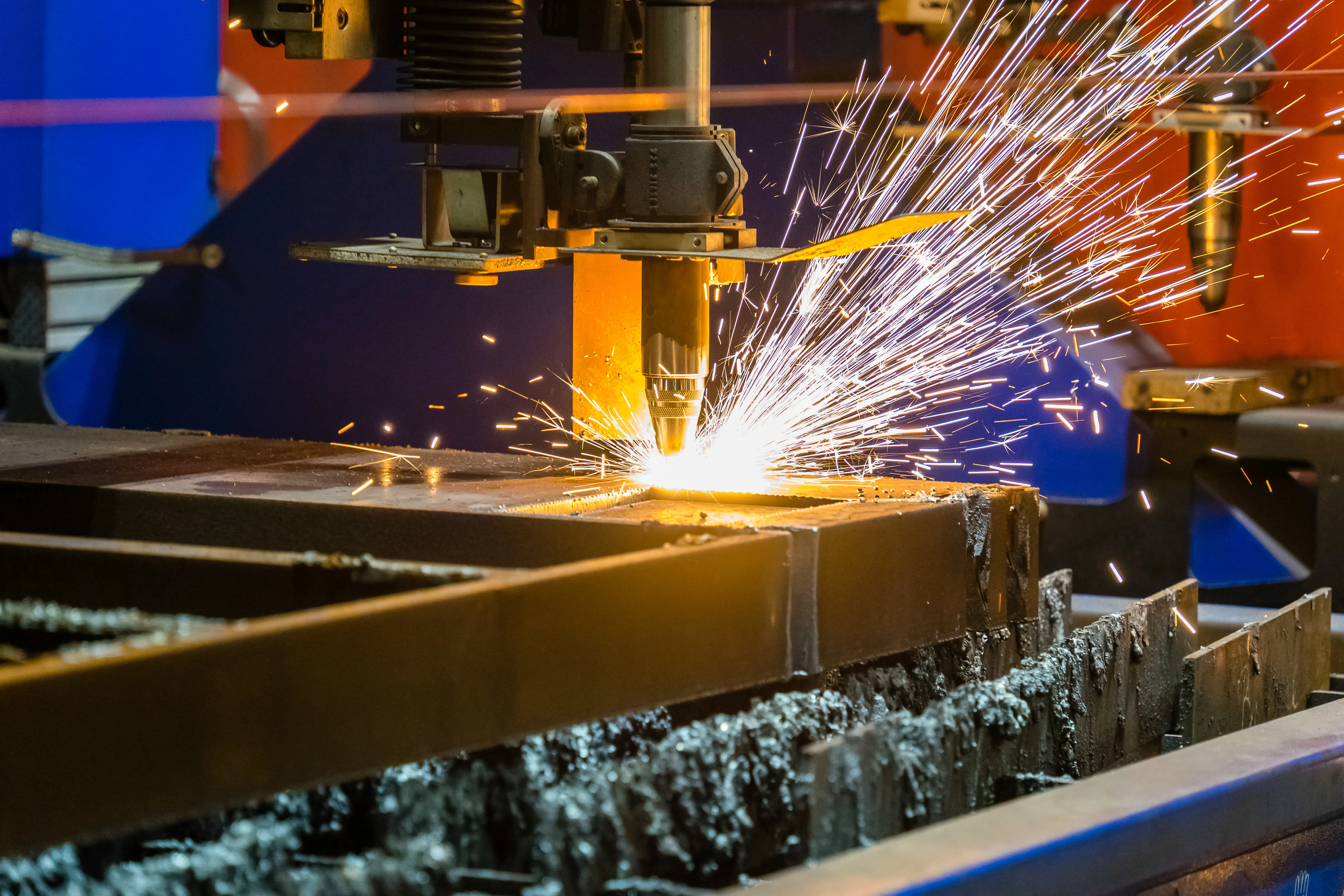
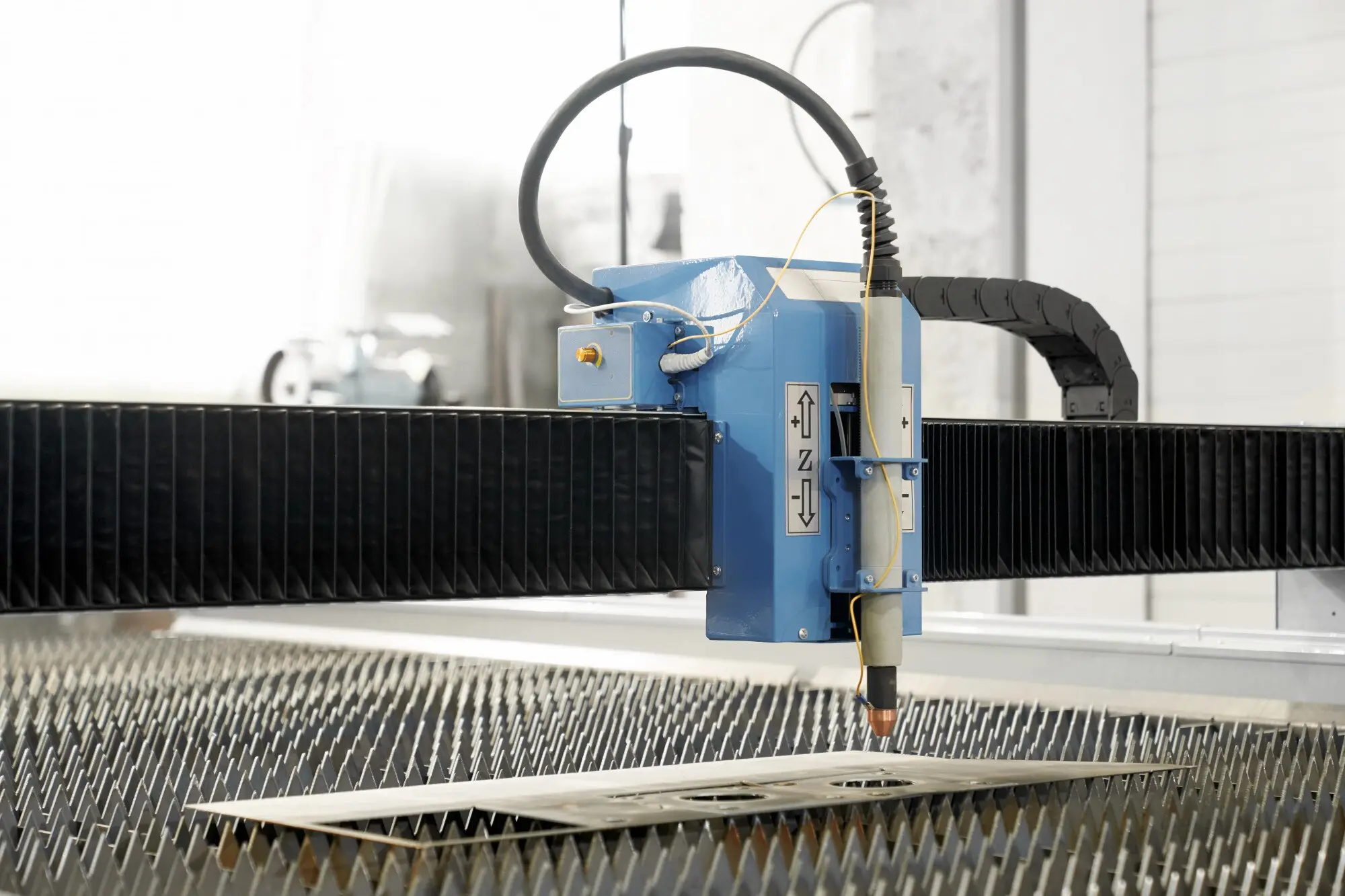
Plasma cutting is a thermal cutting method that works on the principle of cutting metal by melting it with a high-temperature plasma jet created by an electric arc. Applied through CNC-controlled systems, this technology is widely used in modern metal processing operations due to its fast, precise, and repeatable cutting performance.
Can Metalurji offers project-specific solutions by preparing carbon steel plates through the plasma cutting method in line with the dimensions and geometries requested by its customers.
Advantages of Plasma Cutting
| Feature |
Description |
| High cutting speed |
Contributes to shorter production times. |
| Precise dimensioning |
Allows cutting in full compliance with technical drawings. |
| Complex geometries |
Enables the production of circular, angled, and custom-shaped parts. |
| Smooth cut surface |
Facilitates subsequent production processes. |
| CNC-controlled production |
Ensures repeatable and standardized quality. |
| Efficient material usage |
Reduces scrap materials through optimized cutting layouts. |
Which Steel Grades is it Applied To?
Many carbon steel grades available in Can Metalurji's stock program are suitable for the plasma cutting process. Depending on project requirements, steel plates of various grades and thicknesses can be prepared in requested dimensions.
| Steel Group |
Area of Use |
| Structural Steels |
Steel construction and machinery manufacturing |
| Pressure Vessel and Boiler Steels |
Pressure equipment and process systems |
| Fine-Grained Structural Steels |
Energy and heavy industry projects |
| Wear-Resistant Steels |
Industrial machinery and equipment |
Related Products: Structural Steels, Pressure Vessel and Boiler Steels, Fine-Grained Structural Steels
Which Industries Use Plasma Cutting?
| Industry |
Area of Use |
| Machinery Manufacturing |
Machine bodies and equipment parts |
| Steel Construction |
Load-bearing systems and structural elements |
| Pressure Vessel Manufacturing |
Tanks and process equipment |
| Energy |
Power plant and industrial facility equipment |
| Oil and Gas |
Refinery and petrochemical applications |
| Shipbuilding |
Steel structures and equipment manufacturing |
| Defense and Heavy Industry |
Project-based steel parts |
Why Can Metalurji?
Can Metalurji is not merely a steel supply company, but a solution partner that supports its customers' production processes. Thanks to its wide carbon steel inventory, diverse grade options, and project-specific cutting support, required steel materials are prepared in requested dimensions and delivered seamlessly.
- Wide carbon steel product range
- Project-specific custom dimensioning
- Cutting support in accordance with technical drawings
- Certified steel supply
- Solution-oriented approach tailored to different industries
- Reliable delivery and technical support
Frequently Asked Questions
Which steels can be processed with plasma cutting?
Plasma cutting can be used on many electrically conductive metals, primarily carbon steels. Can Metalurji provides plasma cutting support for carbon steel plates suitable for your project requirements.
What is the difference between plasma cutting and oxy-fuel cutting?
While plasma cutting stands out with its high precision and cutting speed, oxy-fuel cutting is preferred as an economical solution, particularly for thicker carbon steels.
Which industries prefer plasma cutting?
It is utilized across many industries, primarily machinery manufacturing, steel construction, energy, pressure vessel production, refineries, shipbuilding, and heavy industry.